Cool Pixel Art Pieces That Went Viral on Social Media
Affiliate Disclosure
This post contains affiliate links. Pixels and Bloom may earn a commission when you purchase through these links, at no additional cost to you. All opinions are our own and we only recommend products we believe will genuinely benefit our readers.
Every few weeks, a pixel art piece breaks out of the usual creative community and spreads across the wider internet. Suddenly, it lands on the front page of Reddit. Then, it gets quote-retweeted by someone with half a million followers. At the same time, it appears on design blogs, gaming news sites, and the Instagram explore page.
As a result, even non-artists stop scrolling and stare. People who have never thought about pixel art find themselves asking, “Wait someone made that by placing individual pixels?”
That moment of recognition when a tiny, constrained, and technically limited art form stops a casual scroller in their tracks is one of pixel art’s most powerful qualities. Because of this, studying why certain pieces go viral reveals a great deal about what makes pixel art compelling at its best.
This post explores the patterns, aesthetics, techniques, and artist approaches behind viral pixel art. More importantly, it goes beyond listing famous pieces. Instead, it offers a real analysis of what makes pixel art shareable, resonant, and culturally contagious.
Even if you’re creating work to build an audience or simply trying to understand the medium more deeply, this guide connects craft to culture.
If you’re still building your pixel art foundation, our complete beginner’s introduction to pixel art and best pixel art software in 2026 guides are the right starting points. If you’re ready to go beyond technique and think about how pixel art lives in the world on screens, in communities, on products read on.

Why Pixel Art Goes Viral: The Core Mechanics
Before examining specific types of viral pixel art, it helps to understand the underlying mechanics that make any content shareable on social media and how pixel art uniquely satisfies those mechanics.
The Zoom-In Reveal
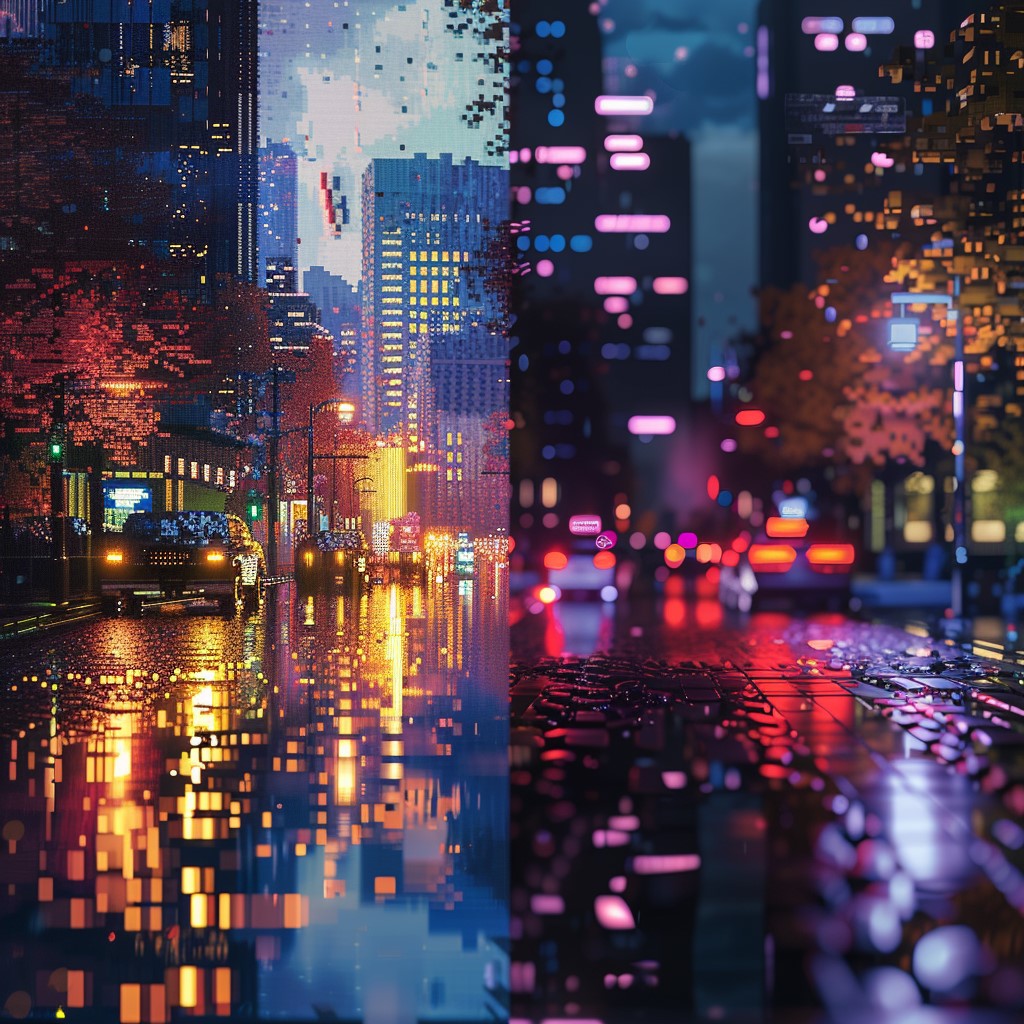
One of the most powerful pixel art formats on social media is the zoom-in reveal. Typically, a post begins with what looks like a blurry or abstract image. Then, it pulls back to reveal a detailed pixel art scene. Alternatively, it may start with the finished image and zoom in to expose the individual pixels.
This technique works because it creates a gap between expectation and reality. Viewers who are unfamiliar with pixel art do not immediately see pixels, they see a complete image. However, once the pixel structure is revealed, everything changes.
As a result, the viewer experiences a moment of surprise and clarity. That moment of wonder is what drives engagement and ultimately, sharing.
The “I Can’t Believe Someone Made This” Response
Viral pixel art almost always provokes a specific kind of admiration. It’s not just “this is beautiful.” Instead, it’s “I cannot comprehend how this was made.” This reaction happens because the medium combines extreme constraint individual pixels, tiny canvases, and limited colors with extremely high visual quality. As a result, it creates a kind of cognitive dissonance that feels almost magical.
In contrast, digital painting produces a different kind of admiration. The process is more intuitive to non-artists, so the outcome feels easier to understand. However, pixel art works differently. The process placing individual colored squares one at a time to create something rich, detailed, and expressive feels less like a technique and more like a magic trick.

Nostalgia as a Sharing Mechanism
Pixel art’s retro aesthetic triggers powerful nostalgic responses in anyone who grew up with 8-bit and 16-bit games which, in 2026, describes a very large portion of the internet’s most active social media users. When pixel art evokes that nostalgia effectively through recognizable characters, aesthetic echoes of beloved games, or direct homage to retro visual language it activates an emotional response that people reflexively want to share with others who share their history.
This is part of why 15 Stardew Valley inspired pixel art pieces and 20 retro-inspired pixel art patterns consistently generate strong engagement, they tap directly into a specific, passionate nostalgia community.
The “I Want to Make That” Effect
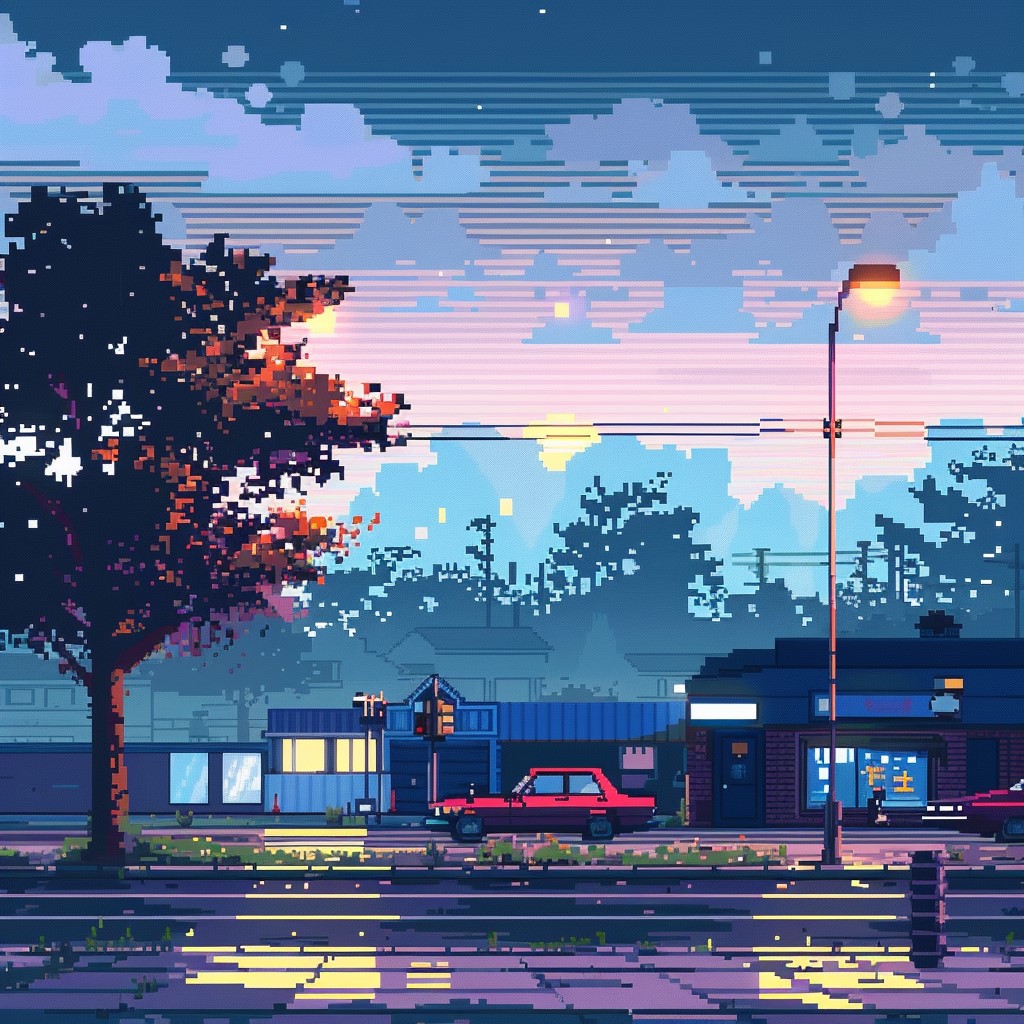
A significant portion of viral pixel art shares come from other artists people who see a pixel art piece and immediately want to try something similar. This is the “I want to make that” effect, and it’s more powerful for pixel art than for most art forms because pixel art’s accessibility is visible. People understand, at least conceptually, that this was made with a computer and colored squares. The leap from “someone made this” to “maybe I could make this” feels smaller than with oil painting or sculpture.
Content that triggers this response often ends up spawning imitation and interpretation entire trends of similar pieces, tutorial requests, and beginner attempts that credit the original. That ecosystem of response dramatically amplifies the original piece’s reach.

Categories of Viral Pixel Art
1. Hyper-Detailed Scene Compositions
The pixel art equivalent of a “Where’s Waldo?” illustration wide, densely populated scenes packed with individual characters, narrative vignettes, and discoverable details that reward long looking.
These pieces succeed on social media partly through sheer impressiveness, the scale of work involved is immediately apparent but more importantly through the discovery loop. Viewers keep finding new details: a tiny character doing something funny in the corner, a hidden reference to a well-known game, a small scene-within-a-scene that tells its own story. Every new detail discovered is another reason to share.
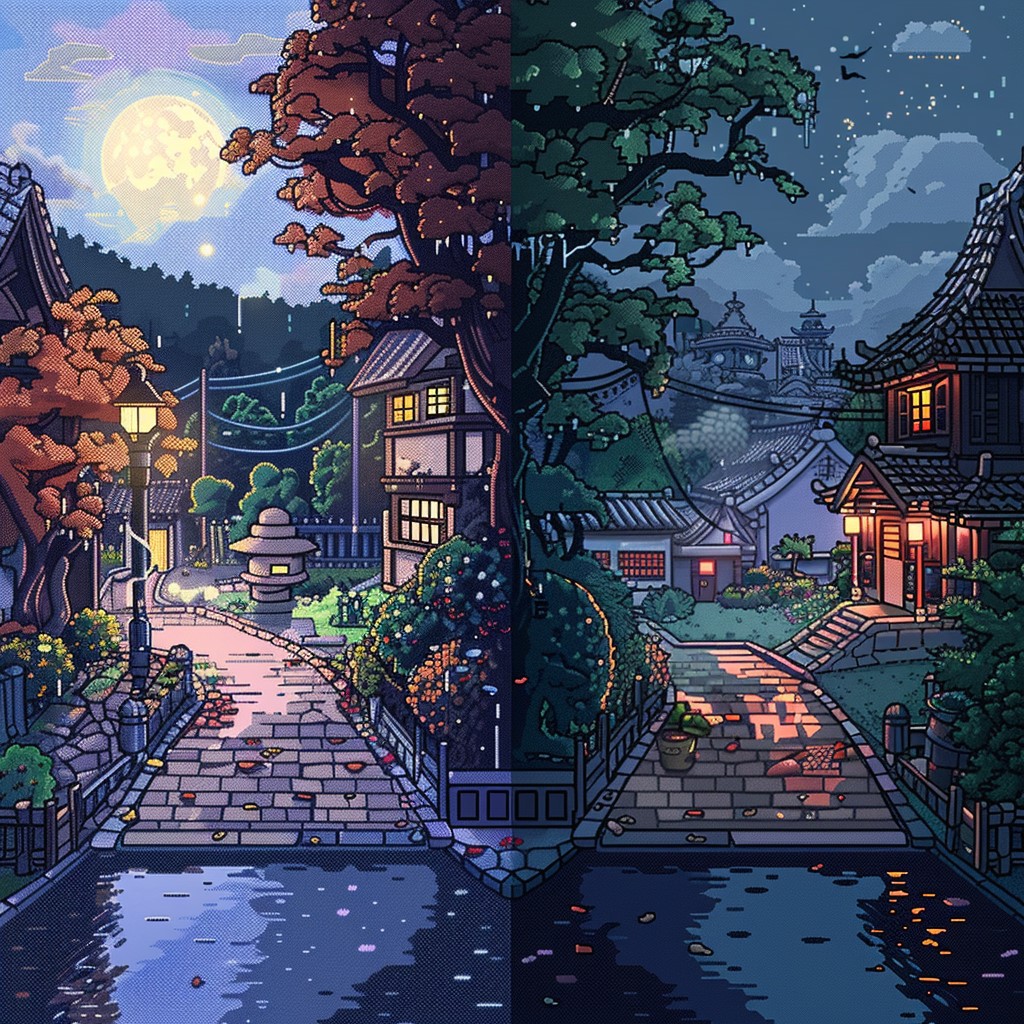
The most celebrated examples of this type include city scenes where every window of a multi-story building contains a different tiny life (someone cooking, someone watching TV, someone with a cat), seasonal panoramas where the same location is shown across four seasons simultaneously, and fantasy world maps where the landscape itself tells a story through its geography.
What you can learn from this: Invest in your scene compositions. Every element in a complex pixel art scene should reward attention. If a corner of your scene feels empty or perfunctory, it’s an opportunity for a small story. The detail-to-surprise ratio is what keeps viewers engaged and sharing.

2. Perfect Looping Animations
Animated pixel art that loops seamlessly where the last frame connects perfectly back to the first, creating an infinite, hypnotic motion performs extraordinarily well on social media platforms that autoplay video content. Twitter/X, Instagram, TikTok, and Tumblr all favor this format.
The most viral pixel art animations tend to feature:
Atmospheric loops: Rain falling on a city street, fireflies blinking in a night forest, steam rising from a bowl of ramen, snow drifting past a lit window. These ambient animations feel like living paintings, they don’t tell a story, they create a mood, and mood-pieces are deeply shareable because they’re emotionally transferable. Anyone can project their feelings onto a rainy pixel art street.
Character idle animations: A pixel art character breathing gently, blinking slowly, occasionally glancing around. The minimum-viable animation that turns a static sprite into a living entity. When done well especially for kawaii-style characters these animations are incredibly charming and often perform better than complex action animations because the subtle, gentle movement feels intimate rather than performative.
Infinite zoom loops: A pixel art animation that appears to endlessly zoom into or out of a scene. These are technically complex to construct (the canvas must tile perfectly at specific intervals) but the visual effect is mesmerizing and consistently generates substantial engagement.
Artists like Waneella (known for her looping pixel art rain and city scenes) and eBoy (known for complex isometric city compositions) have built enormous audiences through consistent mastery of these formats.
What you can learn from this: If you’re creating pixel art for social media, learn animation basics in Aseprite. Even a simple 4-frame breathing loop or falling rain effect transforms a static piece into something that performs significantly better on autoplay platforms. Our best pixel art software in 2026 guide covers Aseprite’s animation tools in detail.

3. Isometric Architecture and Worlds
A 2.5D perspective, where objects are viewed from a consistent 45-degree angle, creates the illusion of three-dimensional space. This style is one of the most consistently viral formats in pixel art. City blocks, fantasy buildings, cozy café interiors, and even full world maps designed in this angled view generate enormous engagement across every major platform.
The appeal is multifaceted. Isometric art has an inherent toy-like quality, it makes the world look like a beautifully constructed miniature, a diorama you could pick up and examine. It’s also deeply satisfying to look at because the geometric precision of the isometric grid, combined with the warmth of the pixel art aesthetic, produces images that feel both organized and alive.
Building pixel art in Minecraft follows a similar isometric visual logic, which is one of the reasons Minecraft players tend to be naturally drawn to isometric pixel art the creative building instinct translates directly. If you’re a Minecraft builder looking to explore isometric pixel art, our what is pixel art? guide explains the connection between voxel building and 2D pixel art clearly.
What you can learn from this: Isometric pixel art is worth learning. The grid system (where every horizontal surface is drawn at a specific pixel ratio typically 2 pixels wide for every 1 pixel tall) is learnable with practice, and the results are consistently impressive and shareable. Start with a simple isometric cube, then a building, then a scene.

4. Nostalgic Character Recreations
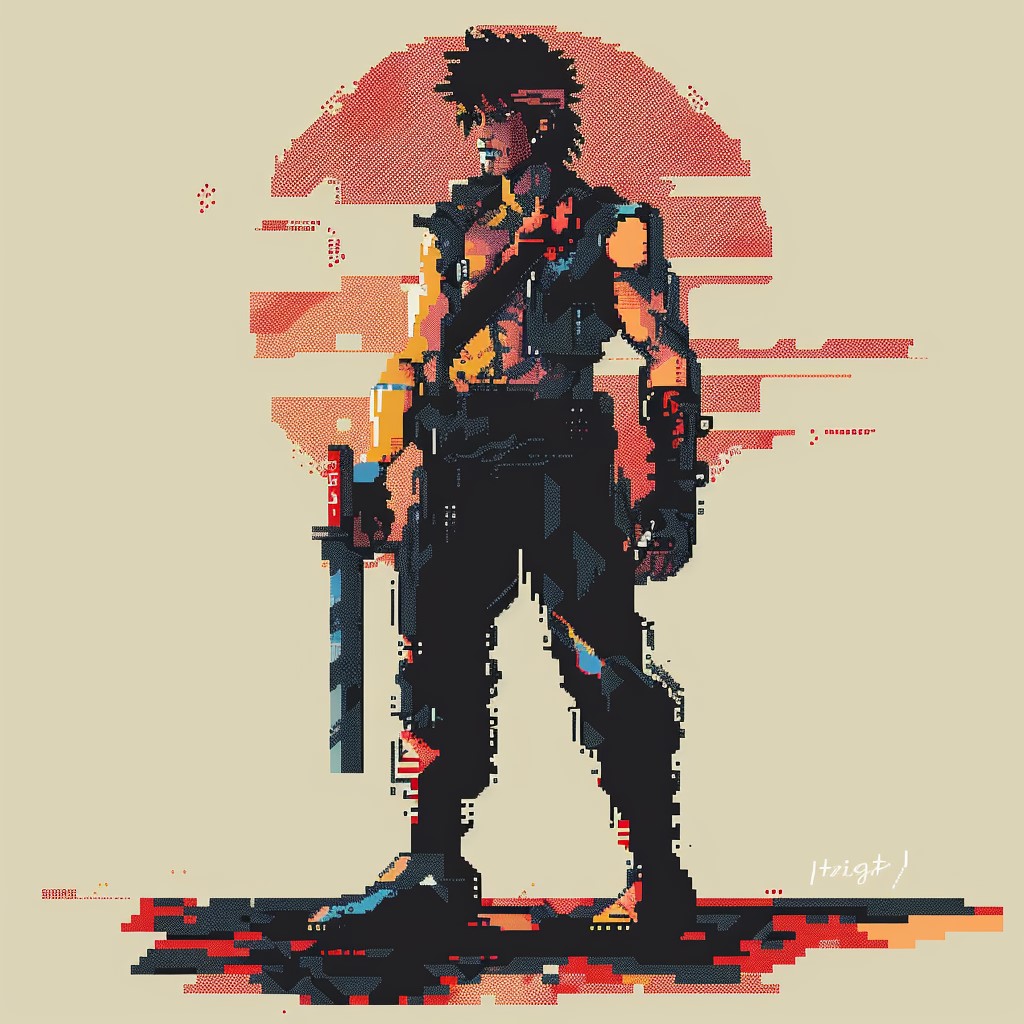
Fan art of beloved video game characters, anime characters, and pop culture figures rendered in pixel art style consistently performs at a high level on social media because it targets specific, passionate fandom communities who will share enthusiastically within their networks.
The most viral examples in this category tend to do something beyond straight fan art: they add an unexpected twist, a recontextualization, or a stylistic choice that makes the familiar feel fresh. A beloved Nintendo character in a realistic, gritty pixel art style. A classic Disney princess reimagined in the aesthetic of a specific retro game console. A modern game character recreated in authentic NES-era style with the correct color limitations and sprite constraints.
This intersection of nostalgia and creative interpretation is a particularly powerful viral formula, it satisfies fans who want to see their favorite characters celebrated, while also rewarding the pixel art community who can appreciate the technical and creative choices involved.
Our post on 15 Disney pixel art designs fans have recreated and how they did it explores this category in depth, including the specific technical approaches used in celebrated fan recreations.
What you can learn from this: Putting your own creative spin on recognizable characters is more valuable than faithful reproduction. The most viral character fan art in pixel art always makes a creative choice, a style, a context, a reinterpretation that couldn’t have come from anyone else.
5. Satisfying Process Videos
Timelapse and process videos showing the creation of a pixel art piece from blank canvas to finished work consistently perform strongly on YouTube, TikTok, and Instagram Reels. The format has a built-in narrative arc (anticipation → revelation), a satisfying ASMR quality in the regular, rhythmic pixel placement, and an educational value that keeps viewers engaged through the full duration.
The most effective process videos for pixel art:
- Start with the most striking or complex element of the piece (not the canvas setup or color palette) to hook viewers immediately
- Use a consistent, readable zoom level that makes individual pixels visible
- Include the palette selection and refinement process, viewers find color decision-making unexpectedly compelling
- End on the final piece displayed at display scale (scaled up with nearest-neighbor interpolation) for maximum visual impact
Many of the pixel art community’s most-followed creators including those featured in our 25 pixel art inspo accounts to follow on Instagram post built significant portions of their following through process content rather than finished pieces alone.
What you can learn from this: Document your process. Even a simple screen recording of your working session, trimmed and sped up to 60–90 seconds, is compelling content. The process is the product, as much as the finished piece.
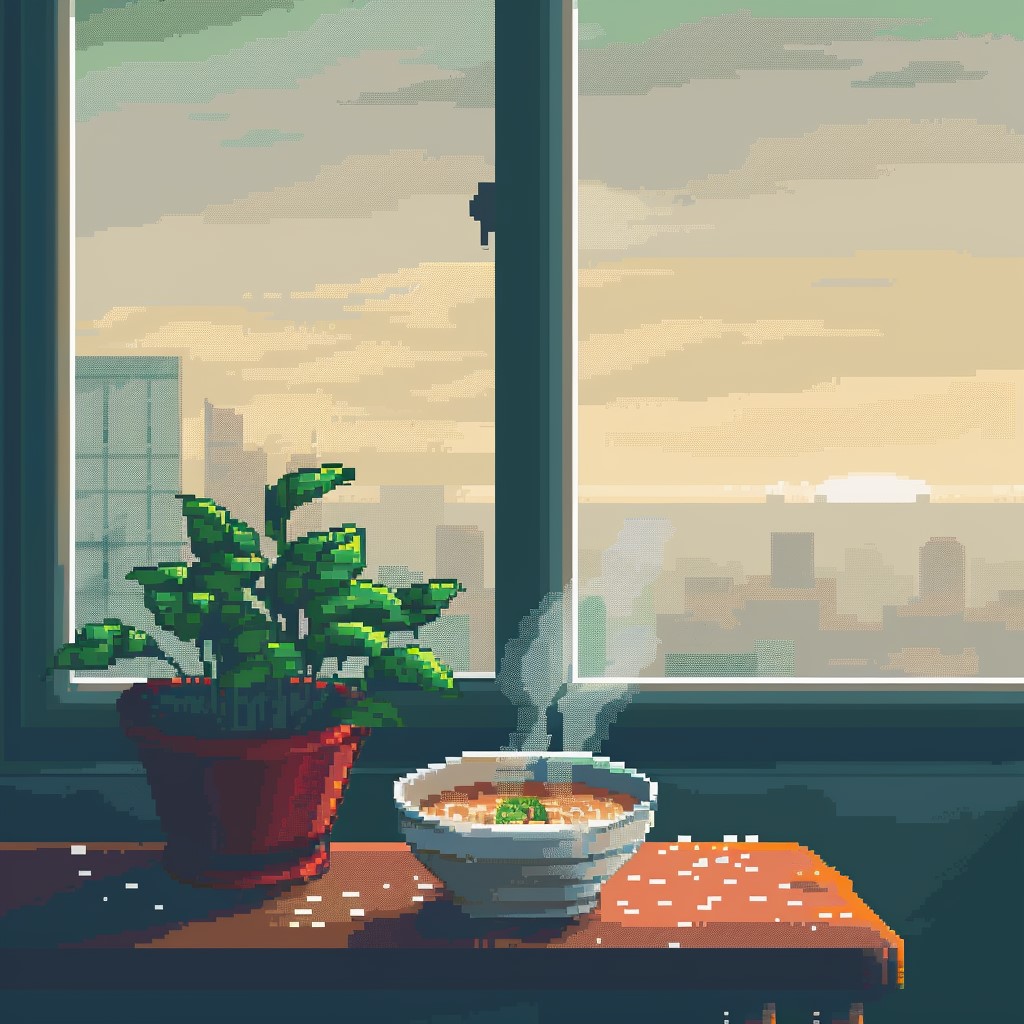
6. The “Everyday Object Made Pixel Art” Trend
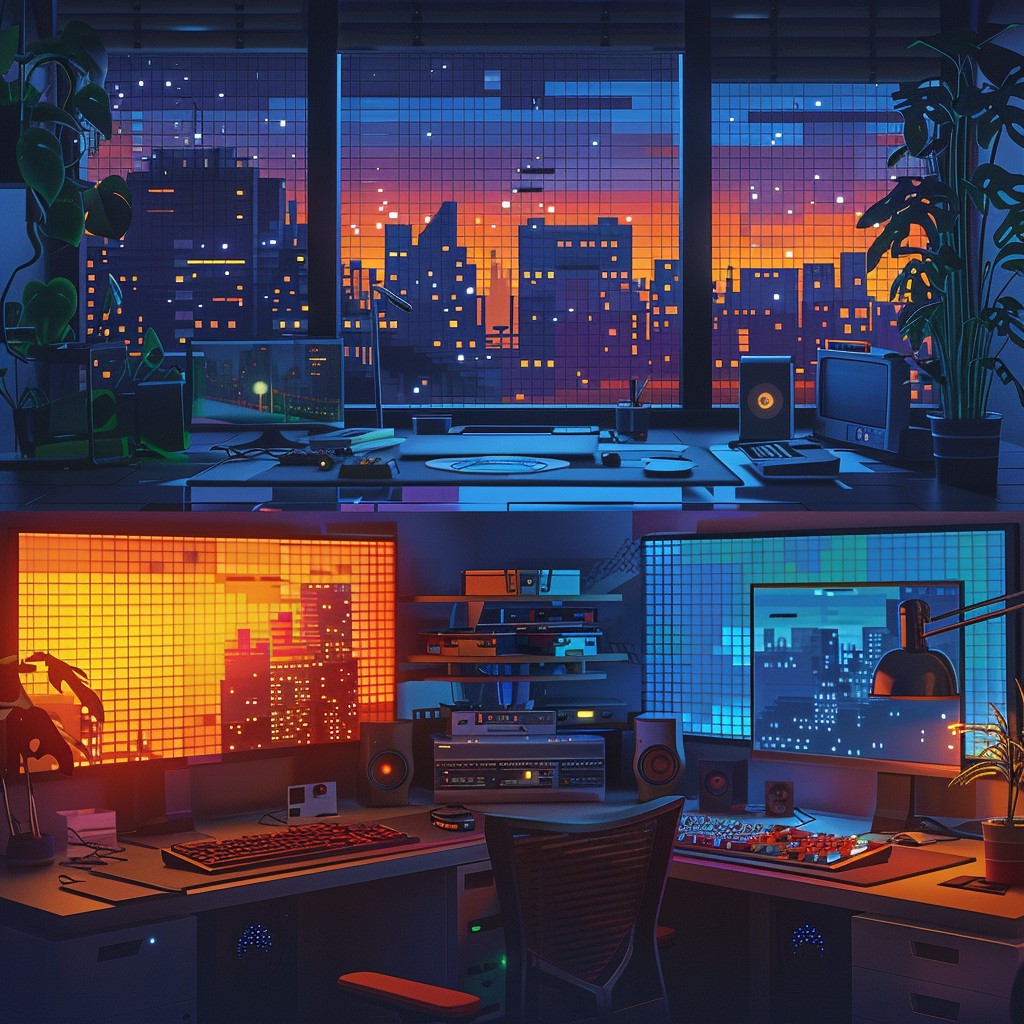
A recurring viral trend in the pixel art community involves taking something completely mundane a specific meal, a specific street corner, a specific moment from daily life and rendering it in meticulous pixel art. The contrast between the subject’s ordinariness and the craft invested in depicting it creates a kind of gentle celebration of everyday life that resonates widely.
These pieces often go viral because they’re relatable, the ramen bowl, the morning coffee, the rainy bus stop while the pixel art treatment elevates the mundane subject into something formally beautiful. There’s a poetic quality to the choice that connects pixel art to the Japanese aesthetic concept of mono no aware, the beauty found in ordinary, transient things.
This trend overlaps strongly with the kawaii food character genre (our 25 Kawaii pixel art character ideas post covers many food subjects in this spirit) but extends to non-anthropomorphized, purely observational pieces as well.
The Anatomy of a Viral Pixel Art Post
Beyond the type of art itself, the way a pixel art piece is presented on social media matters enormously. Here’s what consistently works:
Display Size and Scaling
This cannot be overemphasized: always post your pixel art at a scaled-up size using nearest-neighbor interpolation. A 32×32 pixel art image posted at 32×32 will be nearly invisible on a social media timeline. The same image posted at 8x scale (256×256) will display crisply and clearly at thumbnail size.
Most social media platforms compress uploaded images, which can introduce JPEG artifacts that destroy the crisp edges of pixel art. The mitigation strategies:
- Upload as PNG whenever the platform allows
- Scale up more aggressively (10x–16x) to make compression artifacts less visible at display size
- On Twitter/X, GIF format often preserves pixel art edges better than PNG
- Instagram performs best with PNG uploads at 4x–8x scale
Our best pixel art software in 2026 guide covers correct export workflows for each platform.
Caption and Context
The best-performing pixel art posts on social media include captions that invite engagement questions, behind-the-scenes details, or the story behind the piece. “I spent three weeks on this” performs better than no caption. “What should I add to this scene?” generates comments. “This took 40,000 individual pixel placements” creates the cognitive impact that drives sharing.
Don’t be shy about the process. The pixel-by-pixel construction of pixel art is genuinely impressive to non-artists, and naming it even briefly contextualizes the work and elevates the viewer’s appreciation.
Posting Timing and Community Engagement
The pixel art community has specific gathering points across platforms:
Reddit: r/PixelArt, r/gaming (for game-adjacent pixel art), r/Art. These communities are large, active, and reward quality work with substantial organic reach. New posts surface through upvotes within the first few hours posting when your target community is most active (typically weekday evenings in US time zones) matters.
Instagram: The #PixelArt hashtag has hundreds of millions of posts, but #PixelArtist, #PixelArtwork, #ASCIIart, and niche hashtags (#KawaiiPixelArt, #RetroPixelArt, #PixelAnimation) tend to surface work to more engaged, relevant audiences.
Twitter/X: The pixel art community on Twitter/X is tight-knit and highly engaged. Tagging relevant pixel art accounts (with permission, or through genuine conversation) and using the GIF format for animated pieces consistently generates engagement.
TikTok: Process videos and animated loop reveals perform strongly on TikTok’s algorithm, which favors watch-completion. Short (15–30 second) process timelapses that end on a reveal perform particularly well.
What Separates Good Pixel Art from Viral Pixel Art
This is the question most working pixel artists genuinely want answered and the honest answer is that virality is not fully predictable or controllable. But there are observable patterns:
A strong concept beats strong technique. A pixel art piece with an original, resonant concept and competent execution outperforms a technically flawless piece with a generic subject almost every time. The question to ask of every piece before posting: “What makes this particular thing worth making in pixel art?” If the answer is interesting, the piece has viral potential regardless of canvas size.
Emotional resonance travels. The pieces that spread furthest provoke a genuine emotional response wonder, nostalgia, delight, the specific bitter sweetness of a beautiful tiny world. Technical impressiveness without emotional resonance generates admiration but not sharing. Emotional resonance without technical quality generates sharing but with caveats. The sweet spot is both together.
Timeliness amplifies reach. Seasonal pixel art (Christmas, Halloween, Thanksgiving), pixel art responding to current cultural moments, and pieces that reference recently viral games or shows all benefit from the additional distribution of trending conversation. Our seasonal posts 50 Christmas pixel art designs and 47 Thanksgiving pixel art designs are designed specifically to help you create timely seasonal work that rides these distribution waves.
Consistency builds the foundation for virality. Most “overnight viral” pixel art pieces are actually the product of consistent, long-term posting. The algorithm rewards accounts that post regularly, and audiences that grow gradually become the distribution network for eventual breakout pieces. The pixel artists in our 25 pixel art inspo accounts to follow on Instagram post all demonstrate this pattern years of consistent posting before any single piece broke through significantly.
Building a Practice That Could Go Viral
The goal of going viral shouldn’t be the primary driver of your pixel art practice but building the habits that could produce viral work is worth pursuing intentionally:
Make ambitious pieces alongside quick ones. Quick pieces keep your posting frequency high and your skills sharp. Ambitious pieces the ones that take weeks and involve genuine creative risk are the pieces with real breakout potential.
Study what succeeds. Spend time on r/PixelArt, on pixel art Instagram accounts, on the Twitter pixel art community. Analyze not just what looks good but what performs which posts get the most comments, which get reshared outside the pixel art community, which generate the “I want to make that” response. Let that analysis inform your creative choices.
Invest in your workflow. Long, ambitious pixel art sessions require a workspace that supports extended focus. A height-adjustable desk from Flexispot makes marathon creative sessions physically sustainable, the difference between working four hours comfortably and working four hours in mounting discomfort is significant for the quality and ambition of the work you produce. A precision Razer mouse ensures that the technical execution of ambitious pieces matches your creative vision, with the cursor control that complex, detailed work demands.
Build a server community. Some of the most vibrant pixel art communities exist around Minecraft servers where players collaborate on massive pixel art builds murals, world maps, character portraits built block by block. Shockbyte and GG Servers are both excellent options for hosting a server that brings creative pixel art builders together. A strong community multiplies your reach when pieces get shared your community becomes your first distribution network.
Turning Viral Attention Into Lasting Value
If a piece does go viral, the moment of attention is valuable but fleeting. What you do with it determines whether the viral moment builds something lasting:
Point viewers to your portfolio. Make sure your social media profiles link to a comprehensive portfolio or website where new visitors can see your full body of work.
Have products ready. If your piece goes viral, there will be people who want to buy something related to it. A Printify store with your designs on physical products, t-shirts, prints, phone cases, mugs is a natural conversion point for viral traffic. Our guide to the top pixel art print-on-demand shops for selling your designs covers exactly how to set this up.
Follow up quickly. Post a behind-the-scenes or process video within 24–48 hours of a viral piece. The audience that discovered you through the viral piece is actively looking for more meet them with content that satisfies that curiosity.
Engage with every comment. During a viral moment, genuine engagement with every commenter builds the kind of connection that converts one-time viewers into long-term followers.
Final Thoughts
Viral pixel art is not a genre or a style, it’s an outcome that emerges when excellent craft meets resonant concept meets timely distribution. You can’t engineer it with certainty, but you can build the conditions that make it more likely: ambitious work, consistent practice, smart presentation, genuine community engagement, and the patience to keep making things even when the numbers are modest.
The pieces that define pixel art’s cultural presence, the ones that make non-artists stop scrolling and think “I can’t believe someone made this” are all, at their core, the product of a pixel artist who had something genuine to express and the technical skill to express it within the medium’s beautiful constraints.
Keep making things. Keep sharing them. Study what resonates. Build your craft. The rest will follow.
More Pixel Art Posts You’ll Love
- What Is Pixel Art? A Complete Beginner’s Introduction
- Best Pixel Art Software in 2026: Honest Review for Every Skill Level
- How to Draw Cute Pixel Art Characters from Scratch (Beginner’s Guide)
- How to Create a Disney Princess in Pixel Art: Grid, Colors and Tips
- 15 Disney Pixel Art Designs Fans Have Recreated (And How They Did It)
- Top Pixel Art Print-on-Demand Shops for Selling Your Designs
- 50 Cute Pixel Art Ideas to Draw When You Need Inspiration
- 30 Easy Pixel Art Ideas Perfect for Absolute Beginners
- 25 Kawaii Pixel Art Character Ideas You’ll Actually Want to Draw
- 10 Pixel Art PFP Ideas That Look Great on Any Platform
- 40 Small Pixel Art Grid Ideas You Can Finish in Under an Hour
- 25 Pixel Art Inspo Accounts to Follow on Instagram
- 20 Retro-Inspired Pixel Art Patterns and Where They Come From
- 15 Stardew Valley Inspired Pixel Art Pieces You Can Recreate
- 10 Vaporwave Pixel Art Scenes Worth Recreating Yourself
- 50 Christmas Pixel Art Designs to Celebrate the Holiday Season
- 47 Thanksgiving Pixel Art Designs to Celebrate the Season of Gratitude